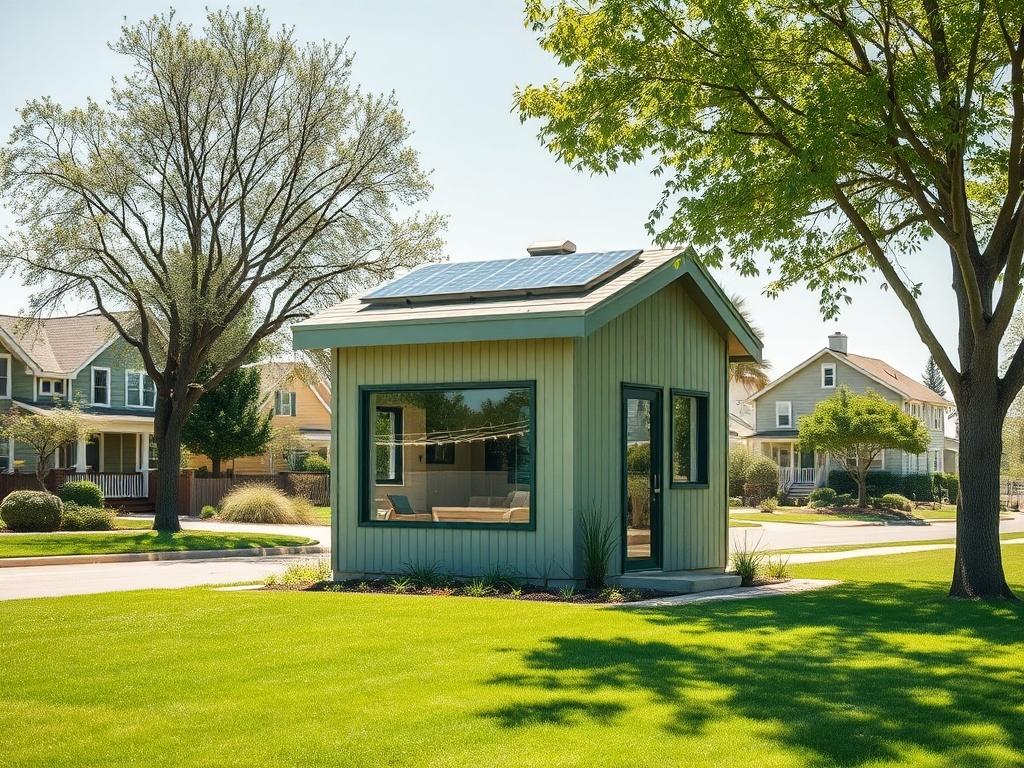
Accessory Dwelling Units (ADUs) have emerged as a popular solution for addressing housing challenges in urban and suburban areas. As property owners seek ways to maximize their space and accommodate diverse living arrangements, understanding the fundamentals of ADUs has become essential. In this blog post, we will explore what ADUs are, delve into their benefits, and provide insights into navigating the regulations surrounding their construction, helping you make informed decisions about these versatile structures.
The growing popularity of ADUs can be attributed to a variety of factors, including the need for affordable housing options, multi-generational living solutions, and increased rental income potential for homeowners. As cities adapt to rising housing demands, more individuals and families are recognizing the value that ADUs bring to their properties. Join us as we unpack these essential topics, guiding you on a journey to learn about the fundamentals of ADUs and why they are becoming a staple in modern real estate.
What are accessory dwelling units? Learn the fundamentals of ADUs
Accessory Dwelling Units (ADUs) are secondary housing units located on the same property as a primary residence. These versatile structures come in various forms, such as basement apartments, converted garages, or new standalone cottages. ADUs offer an excellent solution for families looking to accommodate aging parents, provide living space for young adults, or create rental opportunities. By maximizing land use and enhancing property value, ADUs serve as an attractive option in today’s housing landscape.
The growing popularity of ADUs stems from their ability to address housing shortages in urban areas while providing homeowners with additional income streams. As more people seek affordable housing alternatives, ADUs present a compelling choice for both homeowners and renters. Understanding the fundamentals of ADUs includes recognizing their benefits, such as increased property tax revenue and fostering a sense of community. As you learn about ADUs, you'll discover how they represent a solution to multifaceted housing challenges while promoting sustainable living.
The benefits of ADUs: Why they're gaining popularity
Accessory dwelling units (ADUs) are rapidly gaining popularity, and for good reason. Homeowners recognize the myriad benefits these versatile spaces provide. First and foremost, ADUs offer an excellent opportunity for additional income. By renting out an ADU, homeowners can significantly offset their mortgage payments or increase their overall property value. Furthermore, as housing markets tighten, families are seeking more affordable living arrangements, making ADUs an attractive option for multi-generational living. Families can accommodate aging relatives or young adults moving back home without sacrificing privacy, creating a win-win situation.
In addition to financial advantages, ADUs contribute to sustainable living. They maximize existing property space without the need for extensive new construction, benefiting the environment by reducing urban sprawl. ADUs also help tackle the housing shortage in many communities, providing more options for potential renters and buyers. As individuals become more aware of these benefits, local governments are increasingly supportive of ADUs and are streamlining regulations to encourage their development. This growing acceptance further fuels their popularity, making accessory dwelling units a compelling choice for homeowners looking to enhance their living spaces.
Navigating regulations: What you need to know before building an ADU
When considering the construction of an accessory dwelling unit (ADU), it's essential to familiarize yourself with local zoning laws and building codes. Each municipality has its regulations regarding the size, design, and placement of ADUs. These rules dictate factors such as setback requirements, height restrictions, and the allowable number of units on a single property. Start by visiting your city or county’s planning department website to access guidelines specific to your area. Understanding these regulations ensures that your ADU project complies with legal standards and can progress smoothly.
In addition to local regulations, you should also explore any necessary permits that will be required for your construction project. Depending on the scope of your ADU, you may need to secure permits for plumbing, electrical work, or structural changes. Engaging with a reputable builder or architect experienced in ADU construction can significantly streamline this process. They can assist you in not only navigating the approval process but also in designing a unit that maximizes both functionality and compliance. With thorough research and expert guidance, you can turn your ADU vision into a reality while adhering to all legal requirements.