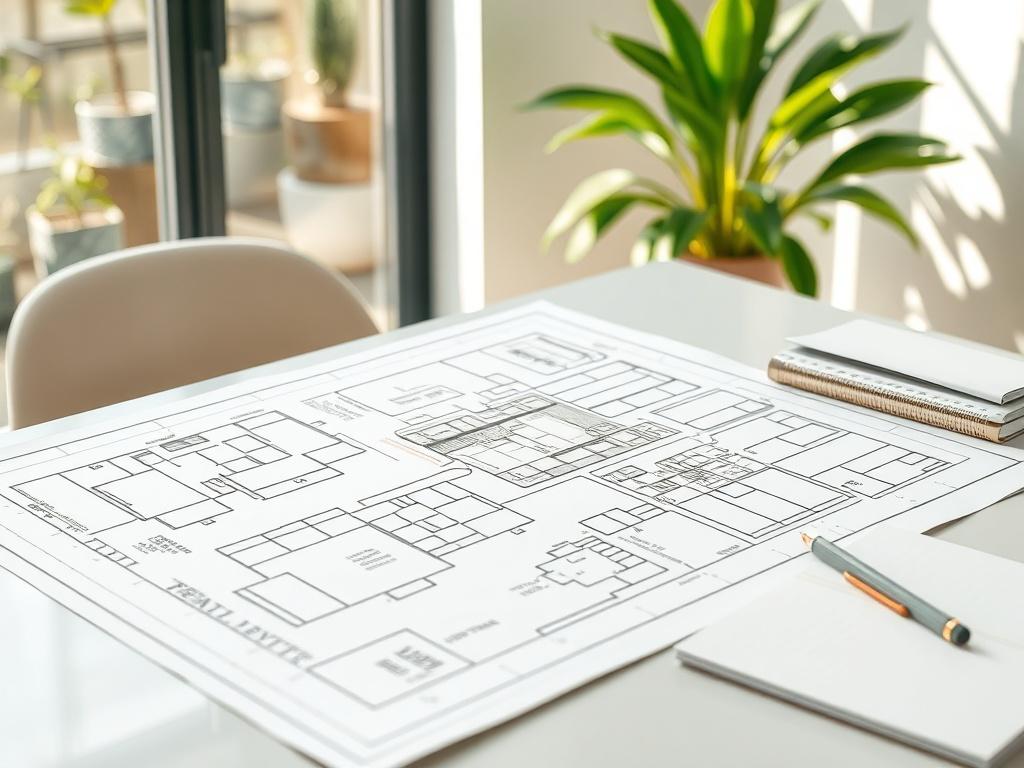
Accessory Dwelling Units (ADUs) are one of the most practical ways to add flexible living space to a property—whether you’re planning for family, creating a rental, or carving out a private studio. But for most homeowners, the first confusing step isn’t construction—it’s the plans.
So what’s actually inside a typical ADU plan set? Here’s a clear walkthrough of what you’ll usually see, why each piece matters, and what can trip people up along the way.
1) ADUs in Plain English
What an ADU is
An ADU is a second, self-contained living unit located on the same lot as a primary home. People also call them granny flats, in-law suites, backyard cottages, and similar names.
Common ADU types you’ll hear about
Most ADU projects fit into one of these buckets:
- Attached ADU: Connected to the main home (like an addition or a basement unit with its own entry).
- Detached ADU: A stand-alone structure elsewhere on the lot.
- Conversion ADU: A remodel of existing space (garage conversion, part of the house, etc.).
Why homeowners build them
ADUs are popular because they can adapt to changing family needs, create potential rental income, increase property value, and use existing infrastructure (utilities, driveway access, etc.).
2) Why ADU Plans Matter More Than You Think
A solid plan set does three big jobs:
- Permits & approvals: Your jurisdiction generally requires drawings to review code and zoning compliance.
- Design clarity: Plans help everyone visualize the end result and avoid “surprise decisions” mid-build.
- Build instructions: Contractors rely on plans to price accurately and build consistently.
In other words: good plans reduce delays, change orders, and stress.
3) What’s Typically Inside an ADU Plan Set
Plan sets vary by city and project type, but a typical architectural/permitting package often includes the following components.
a. Cover sheet + site plan
i. Usually includes basic project info (property, owner, drawing index), plus a site plan showing where the ADU sits on the lot relative to the existing home.
b. Floor plans (existing + proposed, when relevant)
i. This is the “map” of the ADU—walls, doors, windows, room layout, and how the space functions. For conversion projects, it’s common to show both the current layout and the new one.
c. Exterior elevations
i. Elevations show each side of the building (front/rear/left/right), helping reviewers and builders understand appearance, heights, and exterior materials.
d. Roof plan + roof framing
i. Typically shows roof type, slope, materials, and how the roof structure is framed/supported.
e. Foundation plan
i. Defines the foundation approach and how loads are supported—critical for safety and inspection.
f. Electrical plan
i. Marks locations for lights, outlets, switches, and any special electrical needs tied to appliances or equipment.
g. Plumbing plan
i. Shows where sinks, toilets, showers/tubs go, plus piping routes and how plumbing runs through walls/floors.
h. “Additional details” (as required)
i. Depending on the project and jurisdiction, the package may also include material notes, structural details/calculations, and other code-driven callouts.
4) Common Challenges (and How to Reduce Them)
Here are frequent pain points homeowners run into:
- Tight lots / limited space: Simplify layout, use multi-purpose areas, and design storage intentionally.
- Zoning + building code constraints: Setbacks, height, lot coverage, and similar rules can force redesigns—check early.
- Accessibility + safety needs: Door widths, circulation clearances, egress, and life-safety items matter from day one.
- Budget surprises: Include both hard costs (construction/materials/labor) and soft costs (design, permits, financing).
5) Should You Hire a Pro for the Plans?
Many homeowners do, because the plan set is also a permitting tool—and permitting is where timelines can slip. Professionals typically help ensure the design fits your goals and aligns with local requirements, while keeping the submission process organized.
Questions worth asking a designer/architect:
- How many ADUs have you permitted in my jurisdiction?
- Who handles revisions from plan review?
- What’s included vs. excluded in the plan package?
- How do you prevent scope creep and budget drift?